 Blog
Blog
Capturing Windermere Moments: Expert Photography for Lakeside Living
Choosing the right photographer in Windermere means finding someone who understands how to translate the unique charm of lakeside living into images that feel both timeless and immediate. Whether it’s the soft glow on the water at sunrise, the intimate details of a newborn in a family home, or the dramatic sweep of an estate at twilight, exceptional photography elevates memories and property alike. This guide explores what to expect from a professional who knows Windermere’s light, locations, and lifestyle—and how to get the most from every session.
The Art of Portraiture in Windermere: Families, Newborns, and Lifestyle
Portrait work in Windermere blends environmental awareness with interpersonal skill. Successful sessions often start with a conversation about personality, wardrobe, and the story the clients want to tell. For families, sessions on private docks, lush gardens, or quiet neighborhood streets capture relaxed interactions and candid moments. Timing is critical: golden hour—the hour after sunrise or before sunset—produces warm, flattering light that enhances skin tones and adds depth to lake reflections. Indoor lifestyle portraits emphasize natural windows and simple compositions, letting everyday gestures—holding a newborn, reading with children, preparing a meal—become the focal point.
Newborn photography requires additional planning and safety-first protocols. A lifestyle approach, photographing babies in their home environment, is increasingly popular because it preserves context and comfort for the family. Photographers skilled in this niche bring soft, neutral backdrops, gentle posing techniques, and a calm pace to ensure a positive experience. For outdoor newborn or family shoots, consider location access, shade, and weather contingencies—Windermere’s humid seasons call for flexible scheduling. Deliverables can range from high-resolution digital files for social media to heirloom prints and handcrafted albums. Strong communication before the session about clothing choices (solid, coordinated colors; minimal logos), prop preferences, and desired final products results in images that feel cohesive and personal.
For families looking to book a local specialist, working with a dedicated Windermere photographer ensures knowledge of the best micro-locations and light windows, plus an understanding of permit needs for public parks or docks. The right photographer will also provide pre-session guides and a confident, calm approach that helps subjects look and feel their best.
Weddings, Engagements, and Event Photography: Telling Your Story on the Water
Weddings and engagement shoots in Windermere often center around the lakeshore, historic estates, and beautifully landscaped venues. Documenting these events requires technical skill and storytelling instinct: capturing the big moments (ceremony, first kiss, speeches) as well as the small details (invitation textures, floral arrangements, candid guest interactions). Effective wedding photographers build a timeline with the couple, identify the optimal ceremony and reception backdrops, and plan for lighting transitions from daylight to reception glow. An emphasis on golden hour portraits can produce stunning bridal portraits with the lake as a soft, reflective background.
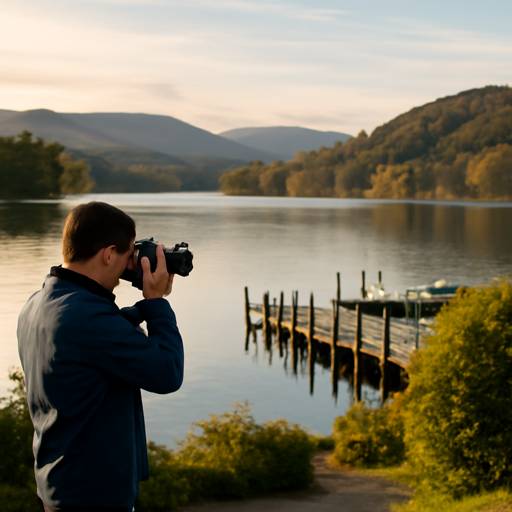
Engagement sessions benefit from a relaxed, editorial approach—walking shoots along scenic paths, playful time on a private dock, or intimate in-home moments. For larger events and weddings, additional support like a second shooter or an assistant can make a significant difference in coverage and angle variety. Drone photography is sometimes used to showcase waterfront venues and large properties, but it’s important to confirm local regulations and venue permissions in advance. Weather is another consideration: summer storms in some Windermere regions are common, so contingency plans and flexible scheduling options should be discussed during booking.
Couples often look for photographers who can deliver a mix of raw, emotional documentarian shots and polished, posed imagery suitable for prints and albums. A clear contract outlining delivery timelines, image rights, and backup plans for equipment failure is essential. Real-world examples include engagement sessions that evolve into save-the-date artwork or wedding galleries that pair candid reportage with a curated album—both elevate the way memories are shared with friends and family.
Commercial, Real Estate, and Headshot Services for Windermere Professionals
Photography for businesses in Windermere ranges from real estate and architectural imagery to professional headshots and branded lifestyle content. High-quality property photography is crucial in a market where lake views and outdoor living spaces significantly influence buyer interest. Twilight photos, which capture a property’s exterior with interior lights on and a deepening sky, often increase listing engagement. Drone images illustrate lot layouts and proximity to the water, while interior photos that emphasize flow, natural light, and material finishes help buyers imagine living in the space. Photographers who specialize in real estate also provide staging tips, such as decluttering, adding fresh linens, and positioning furniture to enhance perceived space.
For professionals—realtors, restaurateurs, designers—branding photography helps present a consistent visual identity across websites, social media, and print materials. Headshots should reflect the individual’s industry and personality: more formal compositions for corporate or legal professionals, relaxed and approachable visuals for creatives and hospitality leaders. On-location environmental headshots, shot in recognizable Windermere settings like a lakeside café or an office with a lake view, add local context and authenticity to profiles.
Case studies highlight measurable outcomes: a real estate agent who invested in professional twilight and aerial imagery saw higher click-through rates and faster sales for luxury listings; a boutique hotel updated its marketing with event photos that boosted booking inquiries for waterfront weddings. Preparing for a commercial shoot involves coordinating schedules, clearing spaces, and assembling brand elements (logos, color palettes, product samples). A photographer experienced with commercial clients will provide a shot list, style guide, and delivery formats optimized for both web and print, ensuring visuals support business goals while reflecting the distinctive Windermere lifestyle.